Call Us (512) 476-2494

Austin DUI Breath Tests

Breath test results often become the centerpiece of evidence in a Texas driving while intoxicated (DWI) case. When police believe a driver may be impaired, they frequently request a breath test to measure blood alcohol concentration (BAC). These tests are widely used across Texas, but they involve procedures, technology, and legal requirements that can affect how the results are interpreted in court.
If you are facing allegations involving breath test evidence, speaking with our Austin DWI defense attorneys at Gunter, Bennett, & Anthes may help you understand your legal options. Call (512) 476-2494 or contact us online for a free consultation.
Texas Implied Consent Laws for Breath Testing
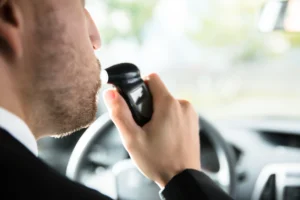
Under Texas Transportation Code § 724.011, breath testing in Texas falls under the state’s implied consent law. By driving on Texas roads, drivers are considered to have already agreed to chemical testing if law enforcement lawfully arrests them for suspected intoxication.
Drivers may refuse breath testing, but refusal can trigger administrative penalties through the Texas Department of Public Safety (DPS), including a driver’s license suspension through the Administrative License Revocation (ALR) process. Even when a driver refuses testing, prosecutors may still pursue a DWI charge using officer observations, field sobriety tests, dash camera footage, or witness testimony.
How Breath Tests Are Administered After a DWI Arrest
Not all breath tests in a Texas DWI encounter are the same, and the distinction between them matters significantly for how your case is handled.
Roadside Portable Breath Tests (PBTs)
Roadside portable breath tests (PBTs) are handheld devices officers may ask you to use during a traffic stop, before any arrest is made. Because of their limited accuracy compared to station-based equipment, results from roadside PBTs are generally not admissible in court to prove intoxication. It’s often perplexing, but if you agree to a portable breath test, sometimes called a preliminary breath test, the fact that you took the test is admissible, but the actual number is not admissible. Because this test is the last thing an officer does prior to arresting you, the jury usually infers that the number was over the legal limit. It’s important you know this, and you should not consent to a portable breath test.
In Texas, these tests are voluntary, and you can decline without facing an immediate legal penalty. However, an officer can use either a positive result or your refusal as a basis for establishing probable cause to place you under arrest.
Evidentiary Breath Tests
Evidentiary breath tests are administered after arrest, typically at a police station using an Intoxilyzer machine that measures alcohol through infrared analysis. These are the tests that carry legal weight.
Under the Texas implied consent law, once you are lawfully arrested for suspected DWI, you are required to submit to this formal test. You must provide two breath samples, and the machine calculates a BAC level based on the alcohol detected in the breath.
What Can Affect the Accuracy of Breath Test Results
Breath testing devices are built to measure alcohol concentrations scientifically, but several factors can influence their reliability:
- Machine calibration: Breath testing equipment must be regularly inspected and calibrated to maintain accuracy.
- Officer training and procedures: Operators must follow strict guidelines when administering the test.
- Residual mouth alcohol: Alcohol remaining in the mouth from recent drinks or certain products may influence readings if proper observation periods are not followed.
- Medical conditions: Certain health issues, including acid reflux or diabetes, may produce compounds that affect readings.
- Environmental contaminants: Chemicals in the surrounding air can sometimes interfere with sensitive detection equipment. Additionally, radio waves and cell phone signals can interfere as well.
Reviewing how the test was conducted is an important part of evaluating any DWI case involving breath test evidence.
When Police May Seek a Blood Test Instead
Breath testing is not the only method available for measuring alcohol concentration. In some situations, law enforcement may request a blood sample instead. Blood testing may occur if:
- A driver refuses a breath test
- A crash involves serious injury or death
- Officers obtain a search warrant for blood testing
- Breath testing equipment is unavailable
The legality of the warrant and the testing procedures used may become issues examined during a DWI case.
Why Clients Trust Gunter, Bennett, & Anthes for DWI Defense
DWI cases involving breath test evidence often require careful review of both legal and technical documentation. At Gunter, Bennett, & Anthes, our defense work begins with a close examination of:
- Breath test records and machine calibration history
- Arrest procedures and officer certifications
- Police reports and dashcam or bodycam footage
Each case presents different facts, and our DWI attorneys assess every situation individually.
FAQ: Austin DUI Breath Tests
What Happens if My Breath Test Result Is Above 0.08?
A result at or above 0.08% BAC creates a statutory presumption of intoxication under Texas law, which prosecutors can use to support a DWI charge. However, that presumption is not conclusive. Defense attorneys may challenge how the test was administered, whether the machine was properly calibrated, whether the required observation period was followed, and whether any medical or environmental factors affected the reading. A number above the legal limit is significant, but it does not automatically end the analysis.
Can I Request My Own Independent Test After a Breath Test Is Administered?
Yes. Under Texas Transportation Code § 724.019, if you submit to a breath test, you have the right to request an independent test within two hours of your arrest, performed by a qualified professional of your choosing. Law enforcement cannot unreasonably prevent you from obtaining it, though they are not required to transport you. Your attorney can help determine whether an independent test is worth pursuing in your situation.
What Is the Observation Period and Why Does It Matter?
Before administering a breath test, Texas law enforcement officers are required to observe the subject for a specified period, typically 15 minutes, to ensure no residual mouth alcohol is present that could skew the reading. If an officer fails to conduct a proper observation period, the reliability of the breath test result may be called into question. This is one of the procedural requirements that defense attorneys examine closely when reviewing breath test evidence.
Speak With Our Austin DUI Lawyers Today
If your case involves breath test evidence, taking action early helps you better understand the legal process and your available options. At Gunter, Bennett, & Anthes, our Austin DUI lawyers represent individuals facing DWI allegations throughout the Austin area. Call (512) 476-2494 or contact us online for a free consultation.